音なき一撃 – 静けさが世界を再編する瞬間
ー 無音の命中 ー
「的を射る」とは、ただ”当てる”ことではない。
言葉や選択や所作が、対象の核心に触れた瞬間に生まれる、
静かな確信のことだと思う。
余計な助走も、過剰な装飾もなく、狙いがまっすぐ通る。
結果だけが派手に跳ねるのではなく、
過程そのものが正しい角度を持っている。
だから、的を射たものはうるさくない。むしろ無音に近い。
音がしないのに、こちらの姿勢だけが正される。
この「的」は誤解されやすい。
的を射る=「誰にでもわかる正解」ではないし、
世の中の拍手を取りにいくことでもない。
的は外部にあるようで、実は内側にある。
自分が何を信用しているか。何を美しいと感じるか。
何を「残す」と決めたか。
そうした内的な基準が外部の雑音を切り捨てるとき、
初めて狙いは定まる。
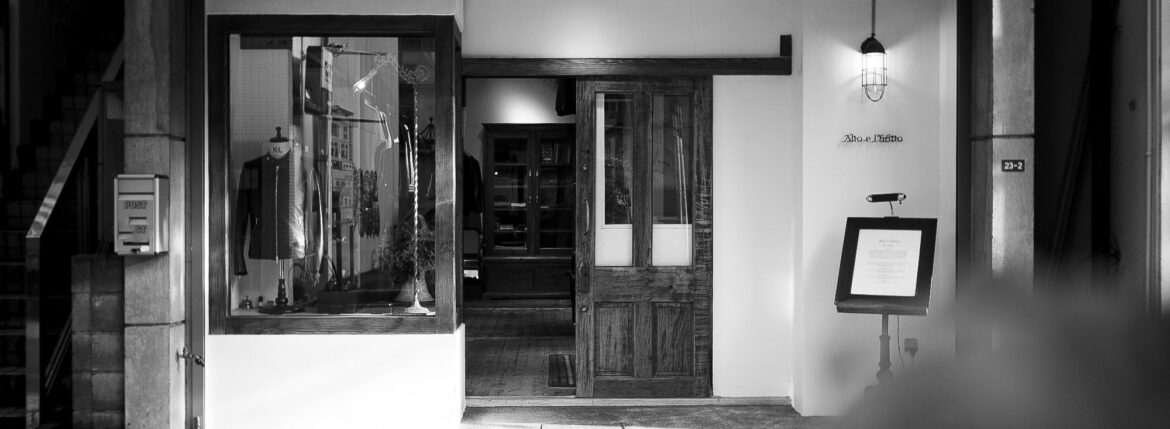
Alto e Dirittoが掲げる「普遍のスタンダード」を追い求める姿勢は、
まさに狙いを逸らさないための哲学に近い。
世界各国からラグジュアリーなアイテムを選び、
国内では滅多に見ないブランドや、
こだわりを詰め込んだ別注品で世界観を表現する——。
これは単なる紹介文ではなく、
「選択の倫理」の宣言のようにも見える。
普遍とは、流行に勝つことではない。
流行に”乗らない”ことでもない。
流行の外側に静かに立ち続けるための技術だ。
季節が変わり、気分が変わり、情報の速度が上がっても、
それでもなお信じられる核を守り抜く。
これは趣味ではなく、規律である。
的を射るために必要なのは、弾数ではない。
選択肢を増やすほど正解に近づく、
という発想は現代の中毒に近い。
検索すればするほど、比較すればするほど、的は遠のく。
なぜなら選択肢の増加は、
思考の精度ではなく迷いの増幅として働きやすいからだ。
的を射るには、むしろ削る。削って、研ぐ。研いで、また削る。
ここで重要になるのが「余白」だ。
余白は曖昧さではない。照準を安定させるための静止であり、
呼吸が整う位置取りである。
余白がなければ、狙いは必ずぶれる。
そして、的を射るものには共通点がある。
それは「構造が先に立っている」ということだ。
言い換えれば、思想が機構として実装されている。
服で言うなら、
シルエットが先にあり、素材が支え、縫製が黙って成立させる。
小物なら、
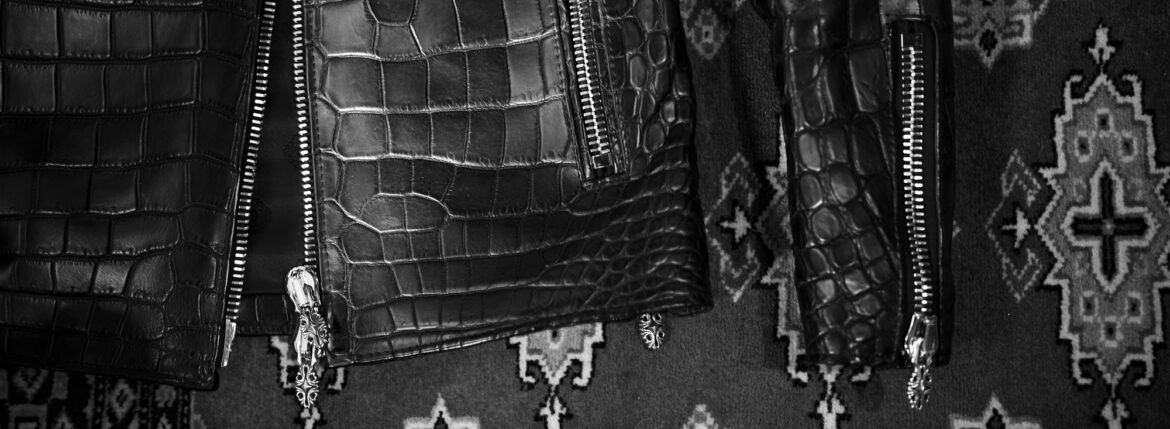
金具の厚み、革の繊維、銀の重さが、言葉より先に説得する。
インテリアなら、
椅子のフレームや音の粒立ちが、人の呼吸を変える。
写真なら、
ピントを”合わせる”という所作そのものが、撮り手の姿勢をつくる。
ここには一貫した現象学がある。
つまり世界は、説明で理解される前に、
身体が先に理解してしまうという事実だ。
「綴る」という行為は、感情を吐き出すための場所にとどまらず、
判断の履歴を残す場所になり得る。
今日何を選び、何を削ぎ、何を信じたか。
その記録は、あとから読み返したとき、
単なる思い出ではなく思想の軌跡として立ち上がる。
哲学は抽象の遊びではない。
継続の中でしか検証できない実践である。
今日の選択が、
半年後も一年後も、まだ自分の背骨として機能しているか。
その問いに耐えるものだけが、普遍に近づいていく。
的を射るとは、
つまり「言葉が少なくて済む状態」をつくることでもある。
本当に的を射た一着、本当に的を射た空間、
本当に的を射た一枚は、説明を要求しない。
説明が不要なのではない。説明は”後から付いてくる”。
先に身体が納得し、最後に言葉が追いつく。この順序が美しい。
逆に、言葉が先に立ちすぎるものは、たいてい的を外す。
飾りが必要な時点で、構造の芯が揺れている。
派手な正解より、静かな命中。
迎合の拍手より、貫通する一撃。
日々の店の営みも、撮影も、選ぶことも、結局は同じだ。
狙いを定め、余計を削り、淡々と手を動かす。
その反復の中で、ときおり訪れる無音の命中を積み重ねていく。
的を射るというのは、才能ではなく、姿勢の結果だと思う。
最後に、硬派に言い切る。
的は、追いかけるものではない。
自分の側を整え続けた者の前に、勝手に現れる。
照準が真っすぐな人間にだけ、世界は真っすぐ返ってくる。
ー A Silent Hit ー
“Striking the mark” isn’t simply about hitting a target.
It’s the quiet certainty that’s born the instant your words,
your choices, your gestures touch the core of what matters.
No unnecessary run-up. No excessive ornament.
The line of aim goes straight through.
It isn’t that only the result pops loudly—
the process itself holds the correct angle.
That’s why what truly hits the mark isn’t noisy.
It’s almost silent.
And yet, without a sound, it corrects your posture.
This “mark” is easy to misunderstand.
To strike the mark is not to deliver an answer everyone
can instantly agree on,
nor is it to chase applause.
The mark looks external, but it’s actually internal.
What you trust. What you find beautiful.
What you decide to “leave behind.”
When those inner standards cut through the noise outside,
only then does your aim become steady.
Alto e Diritto’s pursuit of “the universal standard”
feels close to a philosophy of never losing that aim.
Selecting luxury items from around the world,
expressing a worldview through rare brands scarcely seen in Japan,
and special-order pieces packed with conviction—
this reads not as mere introduction,
but as a declaration of an “ethics of selection.”
The universal isn’t about defeating trends.
It isn’t about refusing trends, either.
It’s the craft of standing quietly outside them.
Seasons change, moods shift, information accelerates—
and still, you protect the core you can believe in.
This is not hobby. It is discipline.
To strike the mark, you don’t need more shots.
The idea that more options bring you closer to the right answer
is a modern kind of addiction.
The more you search, the more you compare,
the farther the mark drifts—
because an increase in options often amplifies hesitation,
not precision.
To strike the mark, you cut away.
You refine. You refine, and cut again.
What matters here is “margin.”
Margin isn’t vagueness—it’s stillness that stabilizes the sightline,
a position where your breathing settles.
Without margin, your aim will always wobble.
And what hits the mark shares a common trait: structure comes first.
In other words, thought is implemented as mechanism.
With clothing, silhouette leads, material supports,
and stitching quietly makes it stand.
With small leather goods, the thickness of hardware,
the grain of leather, the weight of silver persuade before words do.
With interiors,
the frame of a chair and the texture of sound
alter a person’s breathing.
With photography, the very act of “setting focus”
forms the maker’s posture.
There’s a consistent phenomenology here:
the body understands before explanation arrives.
To “write” can be more than a place to vent emotion—
it can become a place to preserve the history of judgment.
What you chose today. What you removed. What you believed in.
When you reread it later, it rises not as mere memory
but as the trace of thought.
Philosophy is not play with abstraction;
it’s practice tested only through continuation.
Only what can withstand time—still working
as your backbone six months,
a year later—
draws closer to the universal.
To strike the mark is also to create a state
where fewer words are needed.
A garment that truly hits the mark,
a space that truly hits the mark,
a photograph that truly hits the mark—
doesn’t demand explanation.
It’s not that explanation is unnecessary.
It comes afterward.
First the body is convinced; then language catches up.
That order is beautiful.
When words step too far ahead, the mark is usually missed—
because the moment decoration becomes necessary,
the structural core is already trembling.
A quiet hit over a flashy “right answer.”
A penetrating strike over applause won through compliance.
Running the shop, making images, choosing—
in the end, it’s all the same.
Set the aim. Remove the excess. Move your hands calmly.
Within that repetition, you stack up the occasional silent hit.
Striking the mark isn’t talent. It’s the outcome of posture.
And to close—hard and straight:
The mark is not something you chase.
It appears on its own before those who keep their side in order.
Only to those whose sightline is true does the world return true.
by S
Alto e Diritto / アルト エ デリット
http://www.altoediritto.jp/
https://www.altoediritto.com/
OPEN /// 12:00~18:00
CLOSE /// TUESDAY,WEDNESDAY
TEL /// 052-253-7718
〒461-0001 愛知県名古屋市東区泉1-23-2
地下鉄久屋大通駅1-A出口より徒歩1分