— Alto e Diritto / 月の裏側で、火を飼う。—
二十四年以上、商いを続けてきた。長く続ければ、いろいろなことが分かるようになると思っていた。けれど、実際は逆だった。続けるほど、分からないことが増えていく。何が正しいのか。何が美しいのか。何を守り、何を捨てるのか。そして、自分たちはどこへ向かうのか。若い頃、その答えはもっと単純だった。上へ行きたかった。もっと売りたかった。もっと認められたかった。もっと大きくなりたかった。2001年。蟹江、十五坪。まだ何者でもなかった自分にとって、誰かが先にいることは悔しかった。追いつきたい。追い越したい。その感情は、決して綺麗なものばかりではなかったと思う。嫉妬も、焦燥も、劣等感もあった。それでも、あの悔しさが自分を前へ進ませた。だから今になって、「人と比べることに意味はない」などと綺麗に言うつもりはない。他者という座標がなければ、自分の現在地さえ分からない時期がある。競争が、人を遠くまで連れていくこともある。ただ、二十四年以上歩いてきて、一つの違和感に辿り着いた。ずっと上を見て歩いてきたはずなのに、ある時から、そこに誰もいなくなった。誰かより上にいることは、本当に「高い」ということなのだろうか。
Alto。高く。この言葉を、ずっと考えてきた。昔は、人より上へ行くことだと思っていたのかもしれない。今は違う。Altoとは、他者との高低差ではない。自らの基準を、自らの意思で高い場所へ置き続けること。誰も見ていなくても、手を抜かない。売れると分かっていても、違うと思えばやらない。多くの人に届くことより、本当に必要としている一人に深く届くことを選ぶ。昨日まで正しいと思っていたことさえ、今日もう一度疑う。そこに必要なのは、他者との比較ではない。自分たちは何を美しいと思うのか。何を美しくないと思うのか。その基準だけだ。そして、Diritto。真っすぐに。これも、長く生きるほど意味が変わった。真っすぐとは、迷わないことではない。商いをしていれば迷う。人生なら、なおさら迷う。正しいと思って選んだものが間違っていることもある。信じていたものを手放さなければならないこともある。それでも、自分の選択から目を逸らさない。間違えたなら認める。転んだなら立つ。遠回りしたなら、その遠回りまで自分の道にしてしまう。真っすぐとは、一直線に進むことではなく、自分の選択に責任を持ち続けることなのだと思う。だからAlto e Dirittoという名前は、到達した理念ではない。毎日、自分たちへ突きつける問いである。今日も、高かったか。今日も、真っすぐだったか。正しい迷子なら、まだ遠くまで行ける。
商売には数字がある。売上、利益、客数、アクセス、フォロワー。数字は明快だ。比較すれば、すぐに優劣が生まれる。自分が前へ進んでいるのかも、数字を見れば分かったような気になる。もちろん数字は大切だ。綺麗事だけでは店は守れない。だから数字から逃げるつもりはない。ただ、数字には一つの危うさがある。測れるものだけが価値であるように錯覚させることだ。二十四年以上、店を続けてきて分かった。商いを本当に支えているものの多くは、測ることができない。信頼。記憶。美意識。関係。そして、空気。どれも決算書には載らない。けれど、何年も経って再び扉を開けてくださる人がいる。一着の革を十年以上着続けてくださる人がいる。昔交わした何気ない言葉を覚えていてくださる人がいる。そういうものが、一日、一日、店の深部へ静かに堆積していく。目には見えない。数値にもできない。けれど、店の灯りを落としたあとにも残っているものは、いつも数字にならなかったものだった。長い時間を経た店の強さとは、案外そういう不可視のものによってつくられているのではないかと思う。
だから最近は、「何を増やすか」よりも「何を残すか」を考えるようになった。そして、残すためには、選ばなければならない。何を置かないのか。何を売らないのか。何を言わないのか。すべての流行に反応しない。誰にでも好かれようとしない。目の前の数字になるとしても、自分たちの輪郭を曖昧にするものなら選ばない。選択だけでは、思想にはならない。棄却まで含めて、初めて思想になる。何を愛したのか。そして、何を拒んだのか。その両方が長い時間をかけて堆積し、やがてその人にしかない美意識をつくる。店も同じだと思う。Alto e Dirittoの輪郭は、二十四年以上の間に増やしてきたものだけでできているのではない。選んだもの。選ばなかったもの。続けたもの。やめたもの。信じたもの。手放したもの。その無数の判断が、今のAlto e Dirittoをつくっている。輪郭とは、足し続けた先ではなく、削り続けたあとに残るものなのかもしれない。削るほど、姿が見えてくる。店というものは、不思議だ。
今の時代は、とても速い。新しいものが生まれ、広がり、そして消えていく。昨日まで誰も知らなかったものが、今日には世界中へ届き、明日にはもう次の何かが求められている。反応すること。更新すること。発信すること。忘れられないために、動き続けること。その速度を否定するつもりはない。時代には時代の速度がある。ただ、ずっと考えている。知られることと、残ることは、本当に同じなのだろうか。たくさん見られたものが、必ず残るわけではない。大きな音を立てたものが、長く記憶されるとも限らない。むしろ、本当に残るものには、どこか静けさがある。理解を急がない。説明しすぎない。その時には分からなくても、何年か経ったある日、突然意味を持つ。一着の洋服も、一枚の写真も、一つの言葉も、そして人も。時間は残酷だ。表層だけで成立していたものを、静かに剥がしていく。流行には光が当たる。残るものには、長い影ができる。けれど同時に、時間にしか証明できないものがある。続いたという事実だけではない。その時間の中で、何を守り、何を変え、何を捨てなかったのか。時間とは、ただ年月を積み重ねることではなく、その人間や店から余計なものを削ぎ落とし、最後に残るものの純度を上げていく作用なのかもしれない。
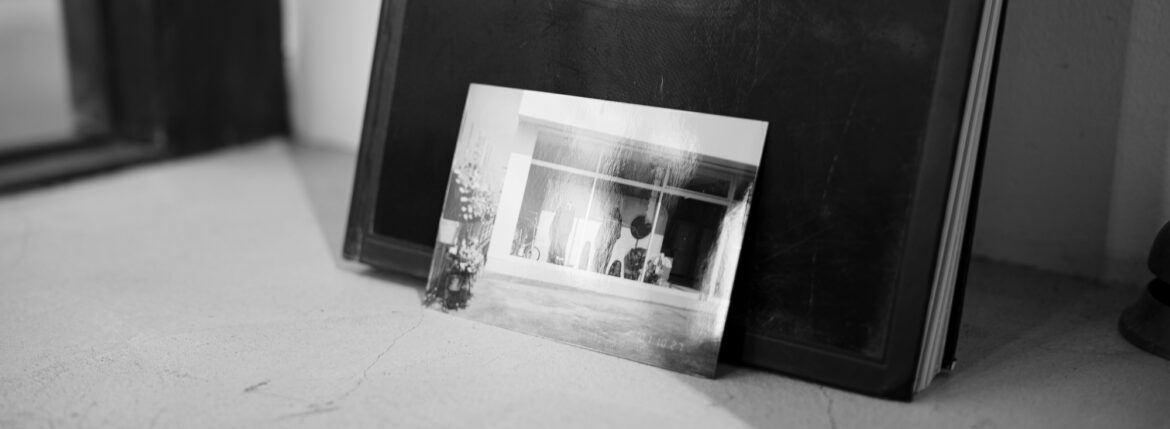
そう考えると、今、自分が行きたい場所も少しずつ見えてくる。誰かより良い店でも、誰かより格好いい店でも、誰かより売れる店でもない。その「誰かより」が必要な限り、価値は相対的なままだ。比較対象が変われば、自分の価値まで揺らいでしまう。ならば、比較すること自体が意味を持たなくなるほど、自分たちの固有性を深めていけばいい。「あの店より良い」ではなく、「Alto e Dirittoである」。それだけで成立する場所へ。洋服がある。写真がある。言葉がある。人がいる。そして、積み重ねてきた時間がある。そのすべてが混ざり合った時にだけ生まれる、説明しきれない空気。それが、その店の署名になる。署名は、大きく書く必要がない。分かる人には、筆圧だけで分かる。表面を真似することはできる。商品を真似することも、写真の構図を真似することも、言葉遣いを似せることもできる。けれど、二十四年以上にわたる選択と棄却、その時間までは模倣できない。固有性とは、奇抜であることではない。誰とも違うことを意図的にやることでもない。同じ問いを長い時間、自分自身に問い続けた人間だけが、結果として辿り着く場所なのだと思う。
若い頃、誰かに勝ちたかった自分がいる。その火は、今も消えていない。ただ、燃やす場所が変わった。昔は、誰かに見える場所で燃やしていた。今は違う。誰にも見えない場所で、火を飼っている。消さない。燃え上がらせすぎない。ただ、その温度だけは失わない。他人に向けていた火を、今は自分の内側へ向けている。昨日より深く考えられたか。昨日より美しいものを選べたか。昨日より人に優しくできたか。昨日より真っすぐ生きられたか。こちらの方が、ずっと難しい。相手が他人なら、勝敗がある。相手が自分なら、終わりがない。だから、これからも続けられる。そしていつか、自分がこの場所に立たなくなる日が来る。店も、洋服も、写真も、文章も、永遠ではない。それでも、誰かの記憶の片隅に、あの店で選んだ一着、交わした会話、扉を開けた時の空気、一枚の写真、何気なく読んだ「綴る」の一節が残ってくれたなら、それでいいと思う。残るということは、永遠に形を保つことではない。誰かの人生の中に、小さな痕跡を置いていくことなのかもしれない。消えないものほど、姿を持たない。数字では測れないその痕跡が、人から人へ静かに受け渡されていく。その先に、店という存在を超えた何かが生まれるのだと思う。
二十四年以上前。蟹江、十五坪。何者でもなかった自分は、誰かに勝つことで、自分の存在を証明しようとしていたのかもしれない。あの頃が間違っていたとは思わない。あの熱が必要だった。あの悔しさも必要だった。競争を知らなければ、その先にあるものにも気づけなかった。だから、競争から逃げるのではない。競争を否定するのでもない。その先へ行きたい。誰かより上でも、誰かより先でもない。誰かが決めた座標から静かに離れ、自分たちの美意識で、自分たちの現在地を決める。高く。真っすぐに。そして、深く。目立つことより、残ること。速く行くことより、遠くまで行くこと。大きく見せることより、揺るがない輪郭を持つこと。Alto e Diritto。二十四年以上歩いてきた。それでも、まだ完成にはほど遠い。むしろ今になって思う。ここまで歩いてきたからこそ、ようやく入口が見えてきた。そして今日も、誰にも見えない場所で、火だけは消さない。
For more than twenty-four years, I have lived through this trade. I once believed that the longer you continued, the more you would come to understand. In reality, the opposite has been true. The longer I continue, the more questions emerge. What is right? What is beautiful? What should be protected, and what should be abandoned? And where, ultimately, are we trying to go? When I was younger, the answer was much simpler. I wanted to rise. I wanted to sell more. I wanted to be recognized. I wanted to become something greater. 2001. Kanie. Fifteen tsubo. Back when I was still nobody, it frustrated me to see someone ahead of me. I wanted to catch them. I wanted to pass them. Those emotions were not always beautiful. There was envy, impatience, a sense of inferiority. And yet, that frustration was what drove me forward. So I have no intention now of dressing the past in convenient wisdom and saying that comparing yourself to others is meaningless. There are periods in life when, without the coordinates provided by others, you cannot even understand where you stand. Competition can carry a person a very long way. But after more than twenty-four years, I arrived at a question I could no longer ignore. I had spent all those years looking upward, yet at some point, there was no one there anymore. Does standing above someone else truly mean standing “high”?
Alto. High. I have spent years thinking about this word. Perhaps once, I believed it meant rising above others. I no longer do. Alto is not the distance between oneself and another. It is the act of placing one’s own standard somewhere higher, by one’s own will, and refusing to lower it. To never become careless simply because no one is watching. To refuse something even when you know it will sell, if it does not feel right. To choose reaching one person deeply over reaching everyone superficially. To question again today what you believed to be right yesterday. None of this requires comparison with others. What do we consider beautiful? What do we refuse to call beautiful? That is the standard. And then, Diritto. Straight. The meaning of this word, too, has changed the longer I have lived. To be straight does not mean never losing your way. In business, you hesitate. In life, even more so. Something chosen with conviction can turn out to be wrong. Something once believed in may eventually have to be released. Still, you do not look away from your own decisions. If you were wrong, admit it. If you fall, stand again. If the road becomes a detour, make even that detour part of your path. To live straight is not to move in a perfectly straight line. It is to remain responsible for the choices you have made. That is why Alto e Diritto is not the name of an ideal already attained. It is a question we place before ourselves every day. Were we high enough today? Were we straight today? A righteous wanderer can still go far.
Business has numbers. Sales, profit, customers, traffic, followers. Numbers are clear. Compare them, and hierarchy appears immediately. Look at them, and it becomes easy to believe you know whether you are moving forward. Numbers matter, of course. A store cannot survive on ideals alone. I have no intention of turning away from them. But numbers carry one particular danger: they can make us believe that only what can be measured has value. More than twenty-four years of running a store have taught me otherwise. Much of what truly sustains a business cannot be measured. Trust. Memory. Aesthetic conviction. Relationships. Atmosphere. None of them appears on a balance sheet. Yet there are people who return through our door after many years. People who continue wearing the same leather piece for more than a decade. People who remember a casual conversation from long ago. Things like these quietly accumulate, day after day, somewhere deep within a store. They cannot be seen. They cannot be quantified. Yet when the lights go out and the store falls dark, what remains has always been the things that never became numbers. Perhaps the true strength of a place that has endured for a long time is built precisely from these invisible things.
That is why I have begun to think less about what we can increase, and more about what we should leave behind. And in order to leave something behind, we have to choose. What will we not carry? What will we not sell? What will we not say? We do not need to react to every trend. We do not need to be liked by everyone. Even if something promises immediate numbers, we should refuse it if it blurs our contours. Selection alone does not constitute a philosophy. Only when rejection is included does selection become conviction. What did we love? And what did we refuse? Over time, both accumulate and eventually form an aesthetic that belongs to no one else. A store is no different. The contours of Alto e Diritto were not formed only by everything we accumulated over twenty-four years. They were formed by what we chose and what we did not choose. What we continued and what we stopped. What we believed in and what we let go. Those countless decisions have made Alto e Diritto what it is today. Perhaps a true identity is not what remains after endlessly adding more, but what remains after everything unnecessary has been stripped away. The more you strip away, the more clearly the form appears. A store is a strange thing.
The world now moves extraordinarily fast. Something new appears, spreads, and disappears. Something no one knew yesterday can reach the entire world today, only to be replaced by something else tomorrow. We are expected to react. To update. To publish. To keep moving so that we are not forgotten. I do not reject that speed. Every era has its own velocity. But I keep returning to one question. Are being known and being remembered really the same thing? What is seen by many does not necessarily endure. What makes the greatest noise is not necessarily remembered the longest. In fact, the things that truly remain often possess a certain silence. They do not demand immediate understanding. They do not explain themselves too much. Sometimes they reveal their meaning only years later. A piece of clothing. A photograph. A sentence. A person. Time is ruthless. It quietly strips away whatever survived only on the surface. Trends stand in the light. What endures casts a long shadow. Yet there are also things that only time can prove. The significance is not simply that something continued, but what was protected, what was changed, and what was never surrendered along the way. Perhaps time is not merely the accumulation of years. Perhaps it is the force that strips away what is unnecessary and gradually increases the purity of what remains.
When I think about it that way, the place I want to reach becomes a little clearer. I do not want Alto e Diritto merely to be better than another store, more beautiful than another store, or more successful than another store. As long as value requires the phrase “better than,” it remains relative. Change the object of comparison, and your own value begins to move with it. So perhaps the answer is to deepen our own singularity until comparison itself becomes meaningless. Not, “Alto e Diritto is better than that store.” Simply, “This is Alto e Diritto.” A place capable of existing on that statement alone. There are clothes. There are photographs. There are words. There are people. And there is the time that has accumulated between them. When all of these converge, an atmosphere emerges that cannot be completely explained. That atmosphere becomes the signature of the store. A signature does not need to be written large. Those who understand can recognize it from the pressure of the pen alone. A surface can be copied. Products can be imitated. A photographic composition can be reproduced. Even language can be made to sound similar. But more than twenty-four years of choices and rejections—the time itself—cannot be imitated. Singularity is not eccentricity. It is not the deliberate attempt to be different from everyone else. It is the place one eventually reaches after asking oneself the same essential questions, relentlessly, over a very long time.
There was a younger version of me who wanted to win. That fire has not disappeared. Only the place where I keep it has changed. Once, I burned it where others could see it. Not anymore. Now, I tend the fire where no one can see it. I do not extinguish it. I do not let it blaze out of control. I simply refuse to let it lose its heat. What I once directed toward others, I now direct inward. Did I think more deeply than yesterday? Did I choose something more beautiful? Was I kinder to another person? Did I live more straightly? These questions are far more difficult. When the opponent is someone else, there can be victory and defeat. When the opponent is yourself, there is no end. Perhaps that is precisely why I can continue. And someday, there will come a day when I no longer stand in this place. The store, the clothes, the photographs, the words—none of them are eternal. Still, if somewhere in someone’s memory there remains a piece they chose here, a conversation we once shared, the atmosphere they felt when they opened the door, a photograph, or a sentence from Tsuzuru they happened to read one night, perhaps that is enough. To remain does not necessarily mean preserving a physical form forever. Perhaps it means leaving a small trace inside someone else’s life. The things that refuse to disappear are often the things that have no form. Those traces cannot be measured, yet they pass quietly from one person to another. Somewhere beyond that, something may begin to exist that is larger than the store itself.
More than twenty-four years ago, in a fifteen-tsubo store in Kanie, a man who was still nobody may have been trying to prove his existence by defeating someone else. I do not believe that version of myself was wrong. I needed that fire. I needed that frustration. Without knowing competition, I might never have discovered what lies beyond it. So this is not about escaping competition. Nor is it about denying it. It is about going beyond it. Neither above someone else nor ahead of someone else, but quietly leaving behind the coordinates drawn by others and determining our own position through our own aesthetic conviction. Higher. Straight. And deeper. To remain rather than merely be noticed. To go farther rather than merely go faster. To possess an unwavering contour rather than simply appear larger. Alto e Diritto. More than twenty-four years have passed, and we are still nowhere near complete. In fact, only now, after coming this far, do I feel that the entrance is finally beginning to appear. And today, once again, somewhere no one can see, I keep the fire from going out.
by S
Alto e Diritto / アルト エ デリット
http://www.altoediritto.jp/
https://www.altoediritto.com/
OPEN /// 12:00~18:00
CLOSE /// TUESDAY,WEDNESDAY
TEL /// 052-253-7718
〒461-0001 愛知県名古屋市東区泉1-23-2
地下鉄久屋大通駅1-A出口より徒歩1分